I know I never write to you, mae, I hope you don't take it the wrong way. I hope it isn't in bad taste to write to you only when I need to tell you something. And this time I need to tell you something.
Three weeks ago I was walking home from work, smoking down the dark street, and there by the building where the Vásquez bar used to be, in the doorway of an apartment block, I saw an animal shadow slip past, just a black, furred streak, some unknown creature. It wasn't a fright or a threat, it was only a movement in front of my eyes, the trace of something more, barely registered by the senses.
That day I had promised myself I'd go to a twelve-step meeting, and I didn't. You know how it is, better than anyone. I even walked past the front of the community center where you and I sat once, in two chairs side by side, listening to other people talk about the dull cadence of addiction, like a film that plays over and over. You can't say we didn't try.
By the time I opened the door of my apartment I'd already forgotten the animal. I've lived in the same third-floor apartment for fourteen years, not because I like living here but because the rent is controlled, and I no longer know if I could rent another at this price. Sometimes the years pass over your decisions. They're the same fourteen years I haven't touched drugs, and now I have the superstition that one thing depends on the other, and that if I leave here some very fragile balance would come undone.
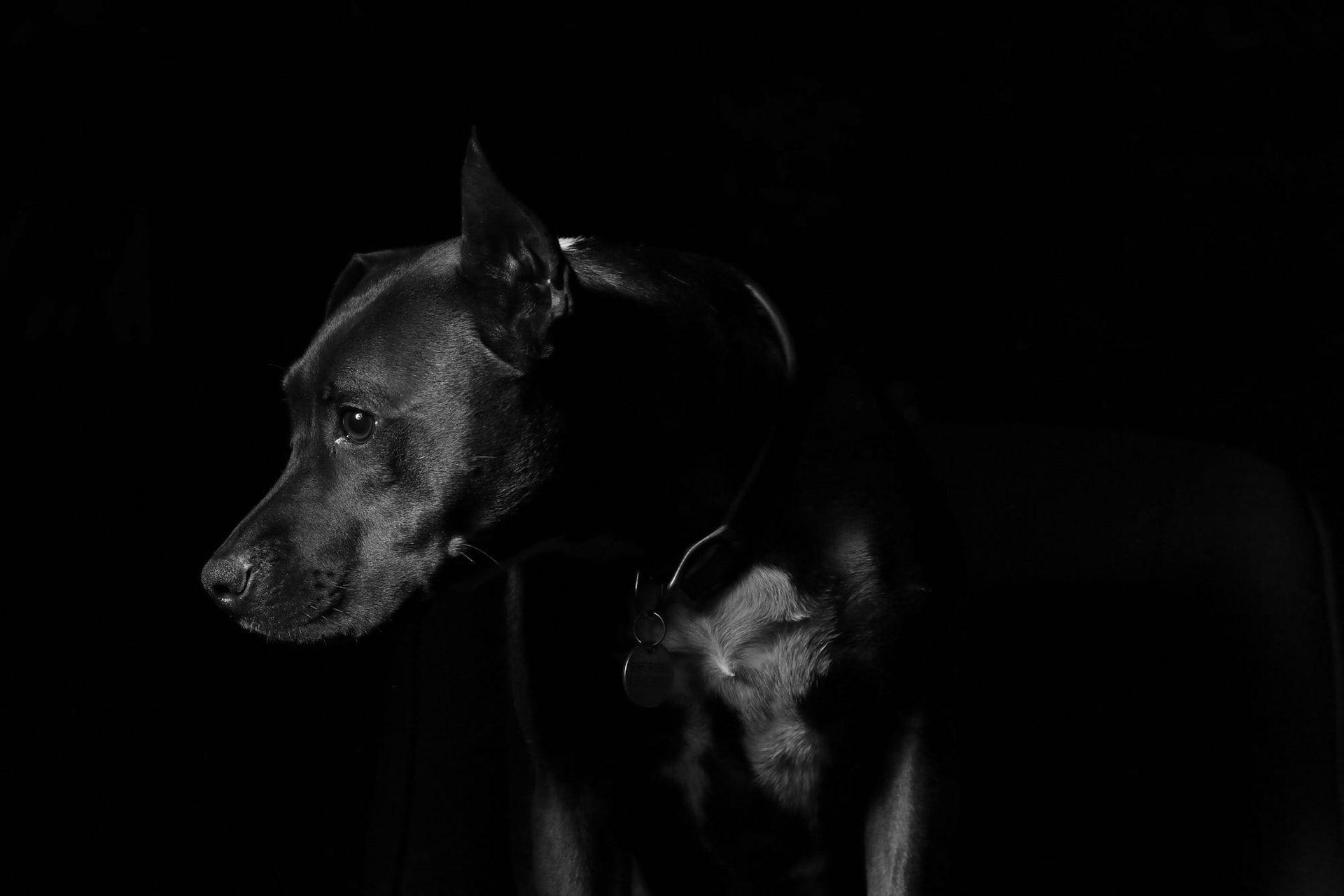
But I was telling you about the animal. I saw it again. Not that night: a week later, crossing a park at midday, and then again through the window of the bar, out of the corner of my eye, that same black streak that slips away the moment I look at it head-on. The color of a running dog, as we call it. And I think, mae, that it's your dog Pato. I know it's mathematically impossible, because Pato must be dead by now and must have found you in the underworld. I'll never forget the smell of his paws and his ears, his black hairs turning up everywhere, his name borrowed from some other animal. Wherever you turned up, Pato was there. So there's something like a dog-duck out there, looking for me, or for you, or for something that got lost between us.
For a while we stopped seeing each other. I had to learn to live each day as if it weren't the last. I forced myself to sit down and think that I'm going to live fifty more years, even if it seemed like a sentence. It's easier to say goodbye to everything than to stay. Meanwhile you were dying.
When you finally let yourself go, Paulette told me, your girlfriend who smelled of incense and read Tarot. She carried a little of the sadness the two of you had shared and she stayed with me for a while. Women I remember more as sensations in the body, as specific smells. I don't want to be an ordinary man, but I am one. In any case none of them ever saw herself permanently bound to this desperation, to coming to live with me at the edge of this cliff where there's always the chance of rolling all the way down.
These days I'm grateful not to have time for anything but going to work at the print shop, leaving once it's already dark through the streets of San José with my hands shoved in my jacket pockets, the headphones covering everything with the same music as always. Back at the apartment nothing waits for me but the phone screen until late, showing me the years you never got to live, one after another. And now the dog-duck appears, in the middle of a particular stretch of loneliness.
It was a week ago that I saw him most clearly, waiting for me. I saw him lying in the doorway of the minisuper, eating a piece of stale bread, the kind they throw out at the end of the day. He lifted his head to look at me without surprise, with his big ghost-dog eyes. He quickly went back to his bread. I wanted to get closer to know if it was Pato, but I didn't dare. There are thousands of black dogs in the city, I thought. I hurried back to the apartment to find a twelve-step meeting I could go to the next day after work, with a certain sense of urgency.
That meeting I did go to. I didn't say anything, I sat in a chair with no one beside me and listened to the others talk about their worst days. I thought a lot about you, about your worst days, about how we could have died together and instead I stayed here, living the things that were meant for you, even sleeping with your girlfriend.
Once Paulette laid out her cards for me and diagnosed that I lived in fear, feeling my way, always avoiding the risk of tripping over the same stone. That was true. She also told me that the things that were really mine would come back on their own, without much of a fight. I don't know if that's true, but I thought of it when I got off the bus and Pato was at the stop, waiting for me. I didn't even startle this time. I sat down on the bench and waited, to see if he'd come closer. After a while he came over with his heavy paws, and let me stroke his ears that smell of dog.
At the minisuper I asked if the dog belonged to anyone and no one had any information. He was your dog, mae, I couldn't leave him in the street. Right there I bought him some food and he followed me, docile, toward the apartment as if you were leading him on an invisible leash. He didn't hesitate for a moment. Once inside he ate, inspected every corner of this space empty of surprises, curled himself into a small oval to rest his head on his front paws, and fell asleep at the foot of the armchair.